

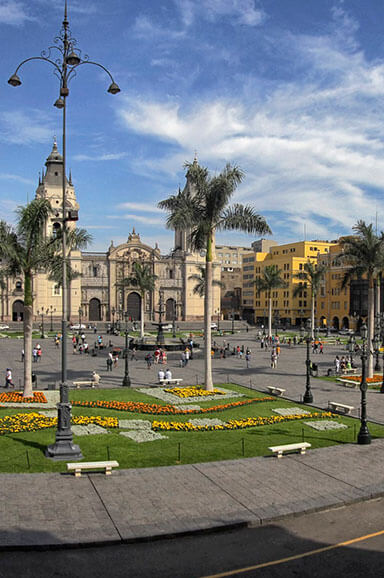
The capital city of Peru, originally known as la Ciudad de Los Reyes (City of the Kings), where almost a third part of the total population of the country dwells. It possesses numerous museums and places of cultural interest such as: The Government Palace.
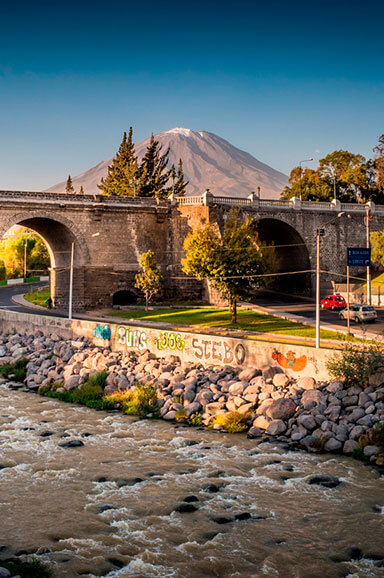
Located at an altitude of 2335 meters above sea level. It is known as the “White City” due to the color of most of its buildings, constructed with white pumice stone of volcanic origin. It possesses an extremely varied environment: a desert coast, a chain of snowcapped volcanoes where the famous Misti Volcanoe lies.
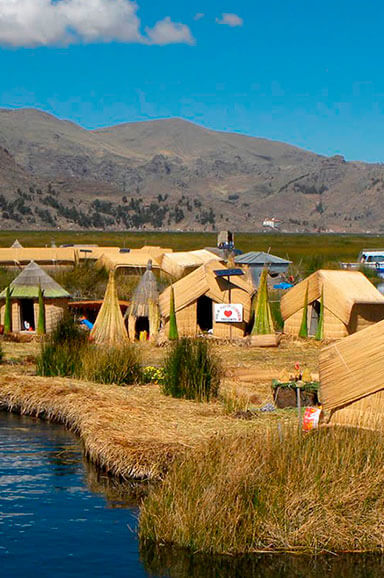
Capital City and Department situated in southern Peru at an altitude of 3800 meters above sea level. It is considered the folkloric capital of Peru. In the Department of Puno is located The Lake Titicaca, the highest navigable lake in the world, 193 kilometers long, 64 kilometers wide, and 300 meters deep.
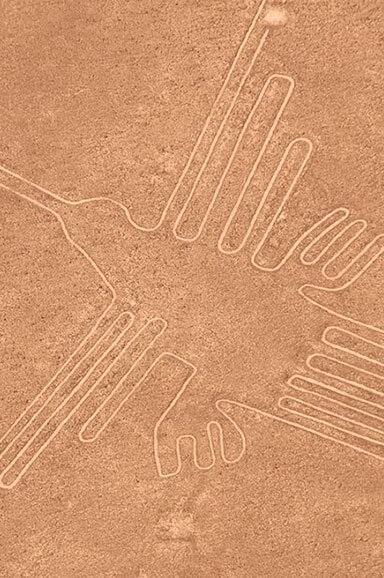
A coastal department of central Peru, with large desert areas and several fertile oasis valleys. N this area developed the pre-Inca civilization of NAZCA, renowned for the enigmatic gigantic lines and geometric as well as zoomorphic figures of traced and drawn upon the surface of the desert, which can only be fully viewed from the air.
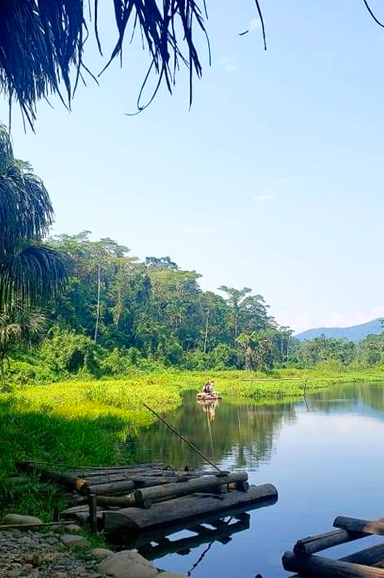
Puerto Maldonado is the capital of Madre de Dios, it is located at the confluence of
the Tambopata and Madre de Dios rivers. Maldonado is also known as “The Capital of the biodiversity of Peru".
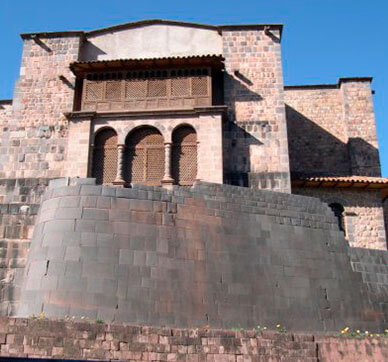
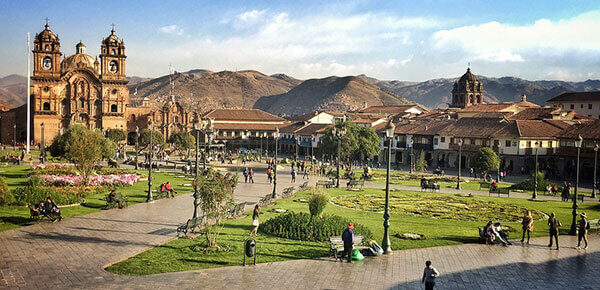
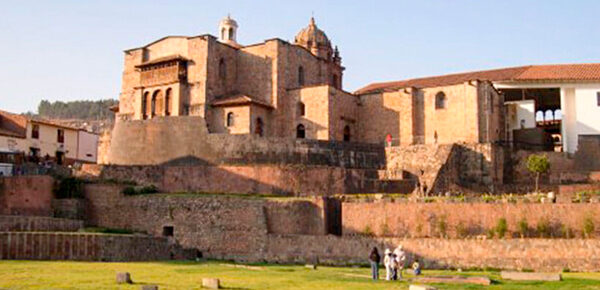
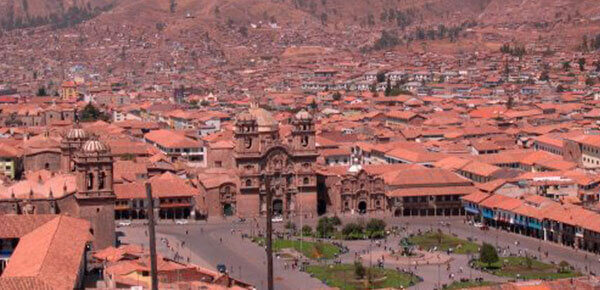
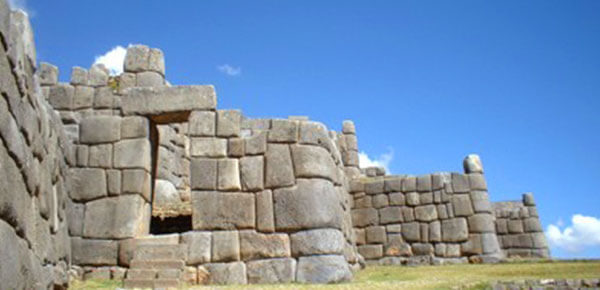
Cusco is considered one of the Cultural Heritage Patrimony Cities of the World. It is the Historical Capital of Peru, having been the political, social and religious center of the Inca Empire, also known as the Tawantinsuyu. At the time of its apogee and maximum expansion, the Empire of the Tawantinsuyu encompassed a very considerable area of South America which included virtually all of the present-day nations of Perú, Bolivia and Ecuador, as well as great sections of northern Chile and Argentina
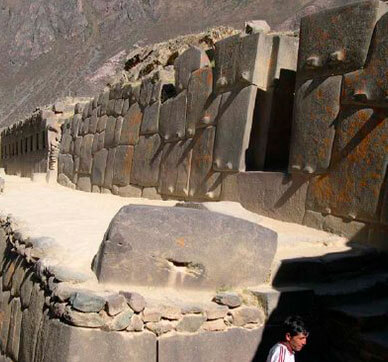
The Empire of the Incas constituted a remarkable example of social, political and religious administrative structure, and is considered one of the fundamental and primordial civilizations in the history of Humanity. Particularly noteworthy was the advanced stage of development of architecture, masonry, sculpture, ceramics, metalworking, hydraulic engineering, road building and communications, terraced farming and agricultural techniques, textile production, medicine and its famous calendrical astronomy.
Upon the advent of the Spanish Conquest in the early XVI century, a fusion two cultures took place. This became clearly manifest in the general architecture of the time as well as in other art forms, painting, sculpture, etc.
The City of Cusco is located at 3,400 meters above sea level, at the head of a fertile yet sparsely vegetated inter-Andean Valley situated on the west-facing flank of the Eastern Range of the Cordillera of the Andes.
The climate is generally cool and dry throughout the year, with two very distinctly marked seasons. These are the “wet”, or rainy, season, lasting from September to March (corresponding to Spring-Summer in our southern latitudes); and the “dry” and “sunny” season from April to August (Fall and Winter in the Southern Hemisphere). The mean, average temperature lies in the vicinity of 17° C-22° C.